

What Does a Construction Virtual Assistant Actually Do?
There are two versions of a construction business. One where the owner is on site until 4pm, then spends the evening chasing unpaid invoices, typing up RAMS, and fielding WhatsApps from subbies about their certificates. And one where someone else is handling all of that while they get on with the work they're actually good at.
The difference, more often than not, is a virtual assistant.
If you've heard the term but aren't sure what it means in practice - or whether it's something that could actually work for a trades or construction business - this is for you.

What is a construction virtual assistant?
A virtual assistant is a remote support professional who handles administrative and operational tasks for your business. You don't employ them directly. There's no PAYE, no pension contribution, no desk to find space for on site. You pay for the hours or tasks you need, and the work gets done.
A construction virtual assistant does the same thing, but specifically for the industry. That distinction matters. Someone who knows what a RAMS document is, understands why subcontractor certificates need chasing before a site visit, and has a handle on CIS deductions is a different proposition from a general VA who's never seen a method statement in their life.
The admin that buries construction business owners is specific. The person handling it should be too.
What tasks can a construction VA handle?
Invoice chasing
Late payment is endemic in construction. Thirty, sixty, ninety-day terms are standard and that's before clients start paying late on top of those terms. A VA can monitor your accounts receivable, send payment chasers at the right intervals, follow up by phone or email, and flag anything overdue so nothing slips through.
This is often the first thing trades business owners hand over, because it's the task they dread most. Chasing your own clients for money is awkward when you're hoping to win the next job with them. Having someone else do it removes the personal discomfort and keeps the relationship cleaner.
Subcontractor certificate management
If you use subbies, you'll know the headache. Liability insurance, CSCS cards, CHAS or Constructionline accreditation, NAPIT or NICEIC registration depending on the trade, every subcontractor has a stack of documents with different renewal dates, and if one lapses and you've got them on site, you've got a problem.
A VA can maintain a live tracker for all of it. Set up renewal reminders. Chase the subcontractor when something's about to expire. Flag it to you before it becomes urgent. The kind of system that exists in your head right now, but not on paper.
RAMS preparation and tracking
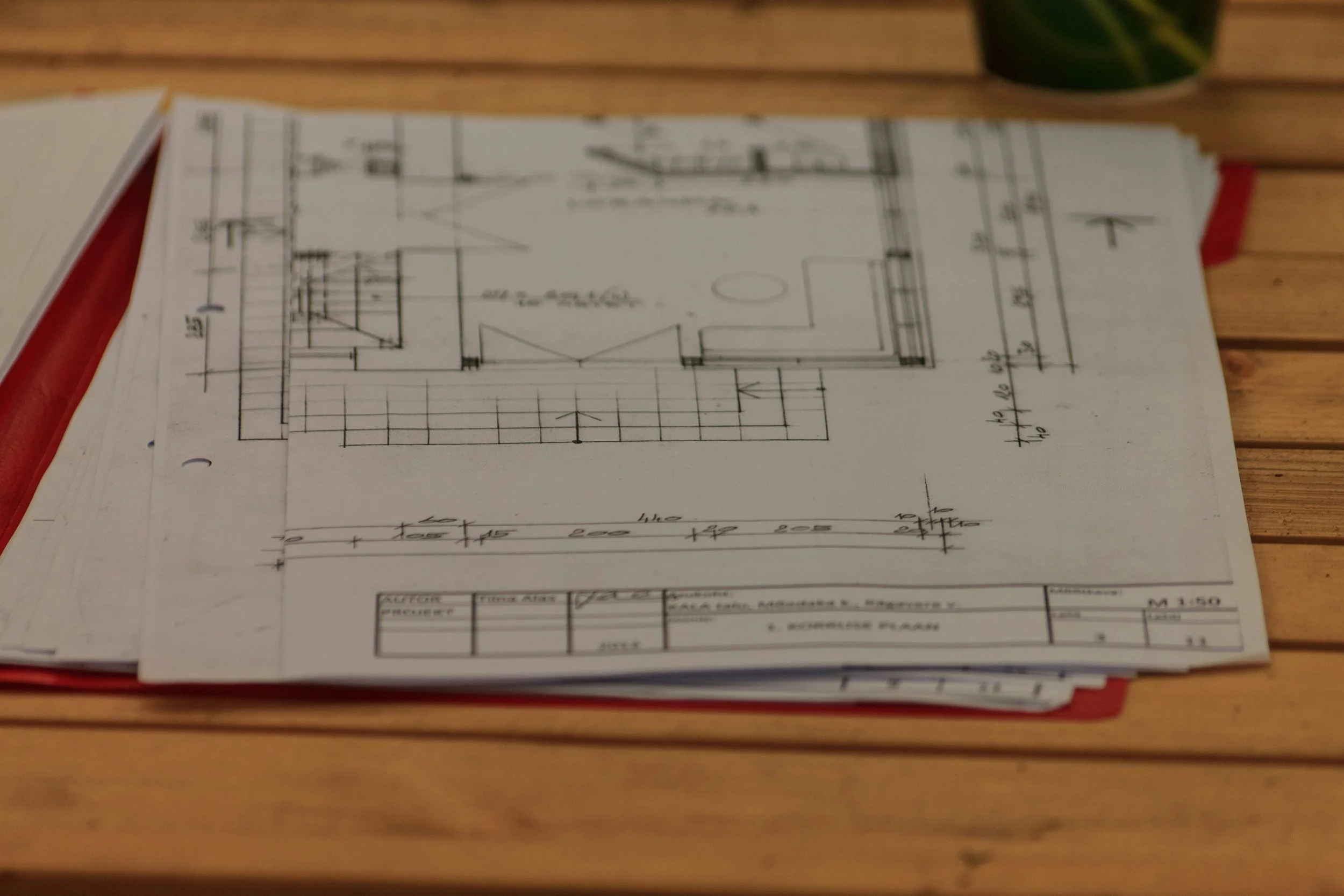
Risk assessments and method statements take time to write properly, and most small construction businesses end up with a pile of old ones that never got updated, or a version-control problem where nobody's sure which one is current.
A VA can draft RAMS templates specific to your regular scope of work, update them when working conditions change, and track which projects have signed-off documentation and which don't. They won't replace your knowledge of how the work is actually done - you'll still need to review and sign off - but they can take the administrative labour out of the process.
CIS administration
The Construction Industry Scheme creates a paper trail that swallows hours. Verifying subcontractors with HMRC. Calculating the right deduction rate. Producing monthly CIS statements. Making sure returns are filed on time.
For small contractors, this often falls to the owner on a Sunday night, which is not where your time should be going. A VA with construction experience can manage the monthly cycle, keep records in order, and make sure everything your accountant needs is ready when they need it.
Quote follow-up and tender admin
How many quotes have you sent out and never heard back from? And how many times have you meant to follow up but didn't get round to it? A VA can track every outstanding quote, send a prompt at the right point, and log the outcome, so you've got a clear picture of your conversion rate and nothing falls off the radar.
On the tender side, they can pull together documentation packages, chase missing information, and manage submission deadlines. Anything that isn't about pricing and technical judgement can, in most cases, be handled by someone else.
Email and diary management
A busy site means a full inbox. Supplier queries, client updates, sucker-punch emails from architects at 5pm on a Friday. A VA can triage your inbox, draft responses to standard queries, and escalate anything that genuinely needs you.
Diary management goes alongside this - scheduling site visits, meetings, calls, and keeping your calendar from turning into a chaos of overlapping commitments.
Supplier coordination
Chasing material deliveries, getting quotes from multiple suppliers, following up on orders that haven't arrived this is the kind of work that has to happen but doesn't need to happen with your phone in your hand on a scaffold. A VA can sit in the middle of those conversations and keep things moving.
What a construction VA doesn't do
Worth being clear about this, because the expectations matter.
A VA isn't a project manager. They can support the administration around a project, but they're not overseeing programme, managing risk or making technical decisions. They also won't price work - that requires your expertise and your knowledge of what a job will actually cost.
They're not an accountant either. A VA can organise and maintain your CIS records, but your accountant is still responsible for filing and compliance. Think of the VA as keeping everything in the right place so your accountant can do their job properly.
Is a construction VA right for your business?
If you're regularly losing evenings to admin, if you've got certificates somewhere that you're not sure are current, if you've got invoices that are overdue and you keep meaning to chase - the answer is probably yes.
The tipping point for most people is when the admin starts competing with billable time. When you could be pricing another job or on site earning, but instead you're typing up a RAMS or sorting out a CIS statement. That's when outsourcing the admin pays for itself.
It tends to suit sole traders and small contractors particularly well, because hiring a full-time member of staff isn't realistic or necessary - but having consistent support for the routine tasks makes a significant difference to how the business runs week to week.
How does it work in practice?
Most construction VA arrangements start with a conversation about what's actually taking up your time, then a package or retainer that covers those specific tasks. You share access to the relevant systems - email, accounting software, whatever you use - and the VA works inside them on your behalf.
Communication is usually via WhatsApp, email, or a simple task management tool. Jobs get logged, progress gets updated and you check in on outcomes rather than process.
It's not complicated. The point is that it shouldn't require much from you once it's set up.
Frequently asked questions
-
No. A lot of the people who benefit most are sole traders or small operations with one or two employees. You don't need a large team to have too much admin - in fact, smaller businesses often carry more of it personally because there's nobody to delegate to internally.
-
That depends on who you hire. A general VA may not know their way around a CIS return or understand why subcontractor accreditation matters. A VA who specialises in construction and trades will. It's worth being specific when you're looking - ask directly what experience they have with the industry.
-
It varies depending on the scope and hours, but typically you're looking at a monthly retainer or packaged service rather than hourly billing. It's considerably less than employing someone directly, with no employer NI contributions, pension, holiday pay, or sick cover. Many construction business owners find the comparison straightforward once they look at the actual numbers.
-
You don't need to. Part of what a good VA does is help you build those systems. If your subcontractor certificates are currently spread across several folders and a group chat, that's exactly the kind of situation a VA sorts out - and then maintains going forward.
-
Any reputable VA will have data handling agreements in place and work within GDPR requirements. Ask to see their privacy and data policies before sharing access to anything sensitive.
Where to start
If the tasks described in this post sound familiar, the next step is usually a short conversation about what your week actually looks like and where the time goes. From there it's straightforward to work out what support makes sense and what it would cost. Zero Chaos Club works specifically with UK construction and trades businesses - subcontractors, specialists, and growing contractors who need consistent admin support without the overhead of an employee. Have a look at the services page and packages to see what's on offer, or get in touch directly if you'd rather just talk it through.
